A brief introduction to the five point protocol’s grassroots history
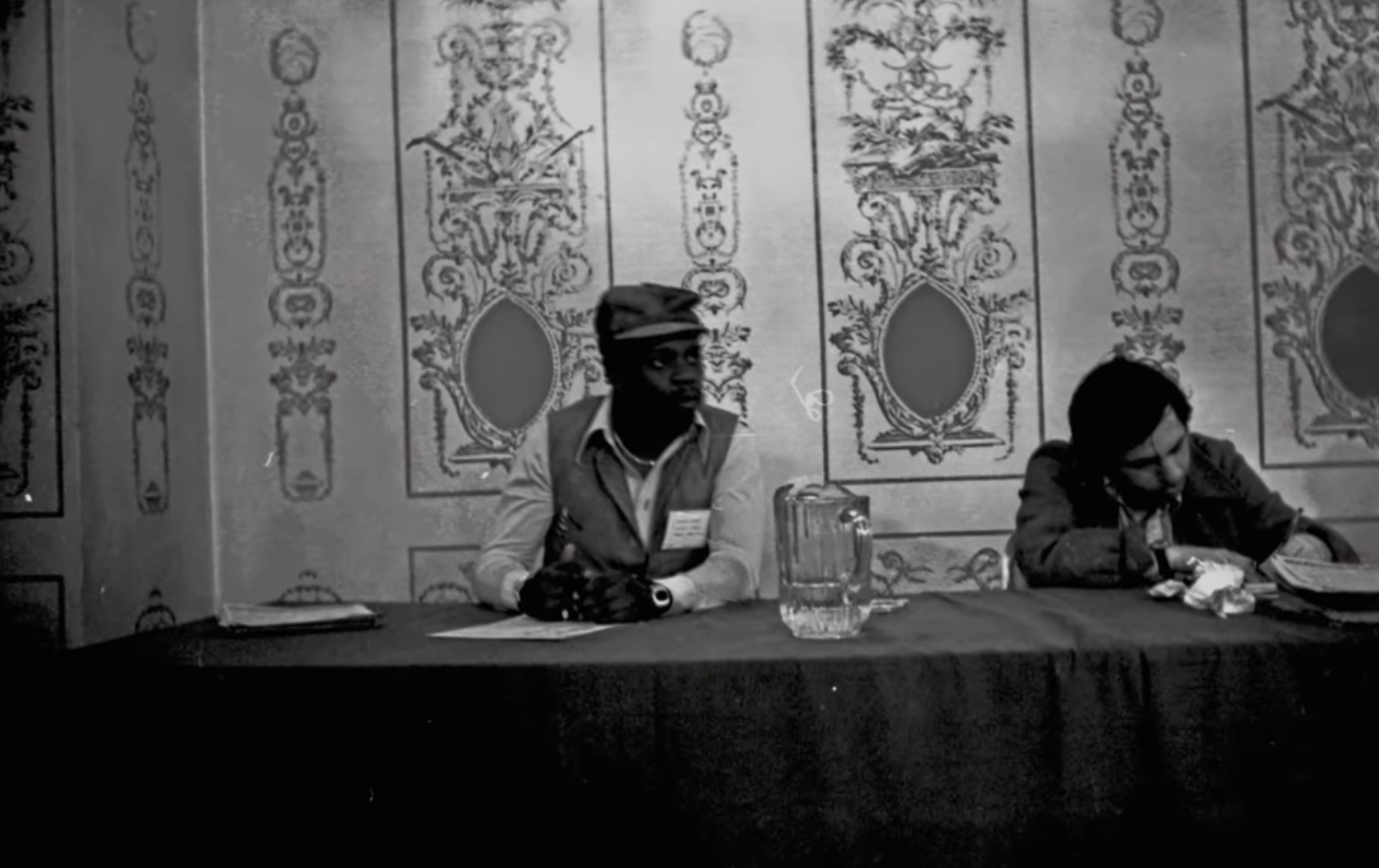
Acupuncture used in the treatment of addiction has an incredible, international lineage.
Asian cultures have placed needles in precise locations on the body to relieve pain and treat disease for millennia. Today, a methodology that can be taught in four days, targets five points in the ear and can be delivered with a lightweight clinicians kit, has enormous impact on the wellbeing on individuals and their communities.
In 1973 Hong Kong neurosurgeon H L Wen, discovered that acupuncture could alleviate the symptoms of withdrawal using a single needle in each ear with an electrical stimulator. The article celebrating this success was featured in the New York Times and subsequently brought to a meeting of community activists organising in the South Bronx, New York. The activists were running ”The People’s Program” at the time, a grassroots detoxification programme addressing a heroin ‘”plague” affecting their communities alongside political education.
Members of the collective included Mutulu Shakur, Walter Bosque del Rio, Cleo Silvers, Vicente “Panama” Alba, Carlos Alvarez, Nancy Smalls and other community leaders including members of The Black Panthers, The Young Lords, Republic of New Afrika, and White Lightning who were well known at the time for their community initiatives such as free breakfast programmes for disadvantaged kids (The Black Panthers) and other social services. The People’s Program was also run by people who were “recovered/ recovering” addicts as it was felt they were the best placed to support people experiencing withdrawl, having gone through it themselves.
In 1974 The People’s Program soon stopped using the electrical stimulation and together, with Romanian-Canadian acupuncturist Mario Wexu, developed a technique involving three points in each ear, and one in the body.
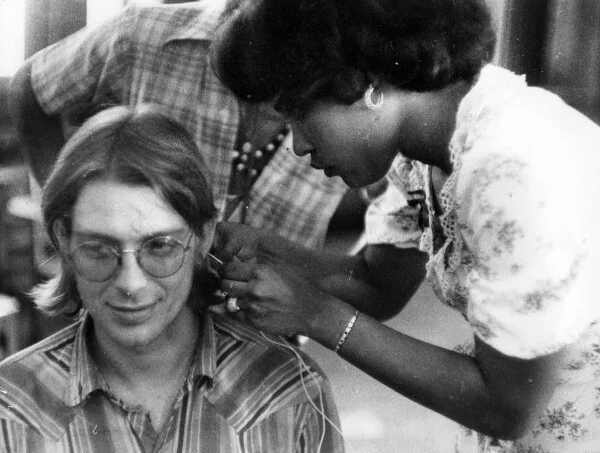
“Lincoln Detox acupuncturists included Rick Murphy, Rick Byrd, Richard Delaney, Walter Bosque, Wafia Squire and Mutulu Shakur. Medical Doctors were used to credential the program. These doctors: Steve Levine, Franklin Apfel, Richard Taft, Randall Maxie, John Lichtenstein, Mike Smith, Barbara Zeller and Alan Berkman and others put their profession and lives on the line to support this innovative program. Although not all of the western MDs were involved in the acupuncture protocol, Franklin Apfel, Richard Taft, Mike Smith and John Lichtenstein studied and practiced it.” -Mutulu Shakur
Page updates
coming soon
Due to ongoing repression and state violence The People’s Program was shut down and re-established as the Lincoln Recovery Centre in 1978 with Dr. Michael Smith as the director. In 1985 the National Acupuncture Detoxification Association (NADA U.S.) was established by Dr Smith to promote education and training of substance misuse counsellors in the NADA five point protocol.
In 1988, the protocol was introduced into the United Kingdom by John Tindall (NADA GB Chairperson) having been trained by Dr. Mike Smith. In 1990 John founded NADA UK and went on to establish The Gateway Clinic, the first full-time natural healthcare service in the NHS (Lambeth Community Care NHS Trust) along with continuing to practice and teach the protocol internationally. UK Acupuncturist Sue Cox, trained with Dr. Mike Smith soon after John, in the early 90’s, and subsequently took the NADA protocol to 128 of the 150 prisons in the UK via her organisation Smart UK (est 1995) who continue to work within prisons and the NHS.
Today, there are approximately 1,700 NADA practitioners working in over 500 treatment settings throughout Britain including disaster relief (after the Grenfell Tower Tragedy), cancer care and homeless shelters. There are also many international programs ensuring the protocol can support emergencies including World Medicine and Acupuncturists without Borders.
Resources
Dope is Death
The story of a radical movement that sought to end heroin addiction in communities of color with acupuncture, led by Dr. Mutulu Shakur, the step father of Tupac.
In 1973, Dr. Mutulu Shakur, along with fellow Black Panthers and the Young Lords, combined community health with radical politics to create the first acupuncture detoxification program in America. DOPE IS DEATH explores how this form of radical harm reduction was a revolutionary act toward the government programs that transfixed the lives of black and brown communities throughout the South Bronx.
DOPE IS DEATH utilizes an abundant archive while giving us insight into how the acupuncture clinic rose to prominence and, despite funding challenges, still functions to this day. Some of those who benefited from the program became acupuncturists themselves. Dr. Mutulu’s legacy is cemented within this profound story of community healing and activism. (Amir George of True/False)
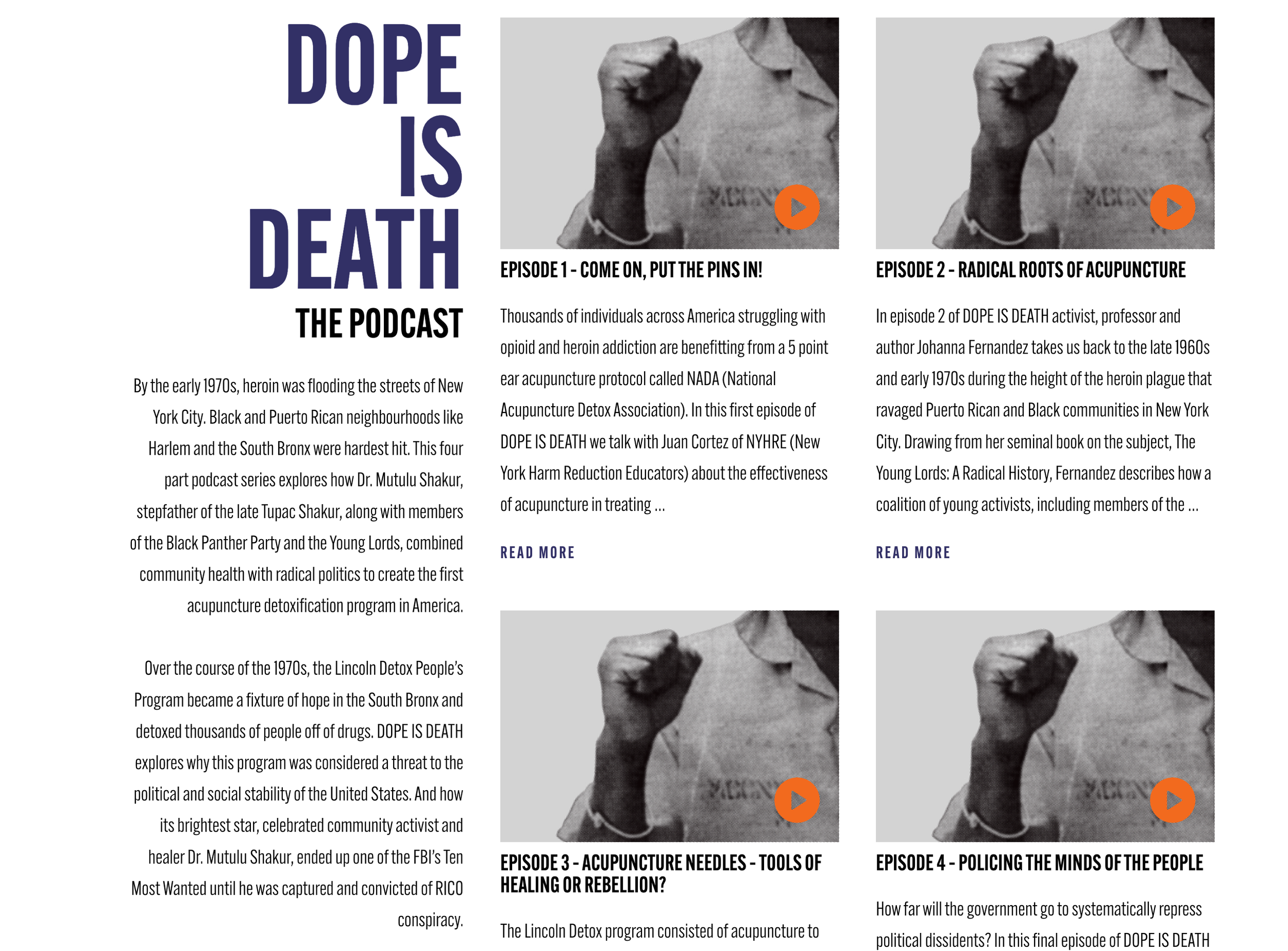
This four part podcast series explores how Dr. Mutulu Shakur, stepfather of the late Tupac Shakur, along with members of the Black Panther Party and the Young Lords, combined community health with radical politics to create the first acupuncture detoxification program in America.
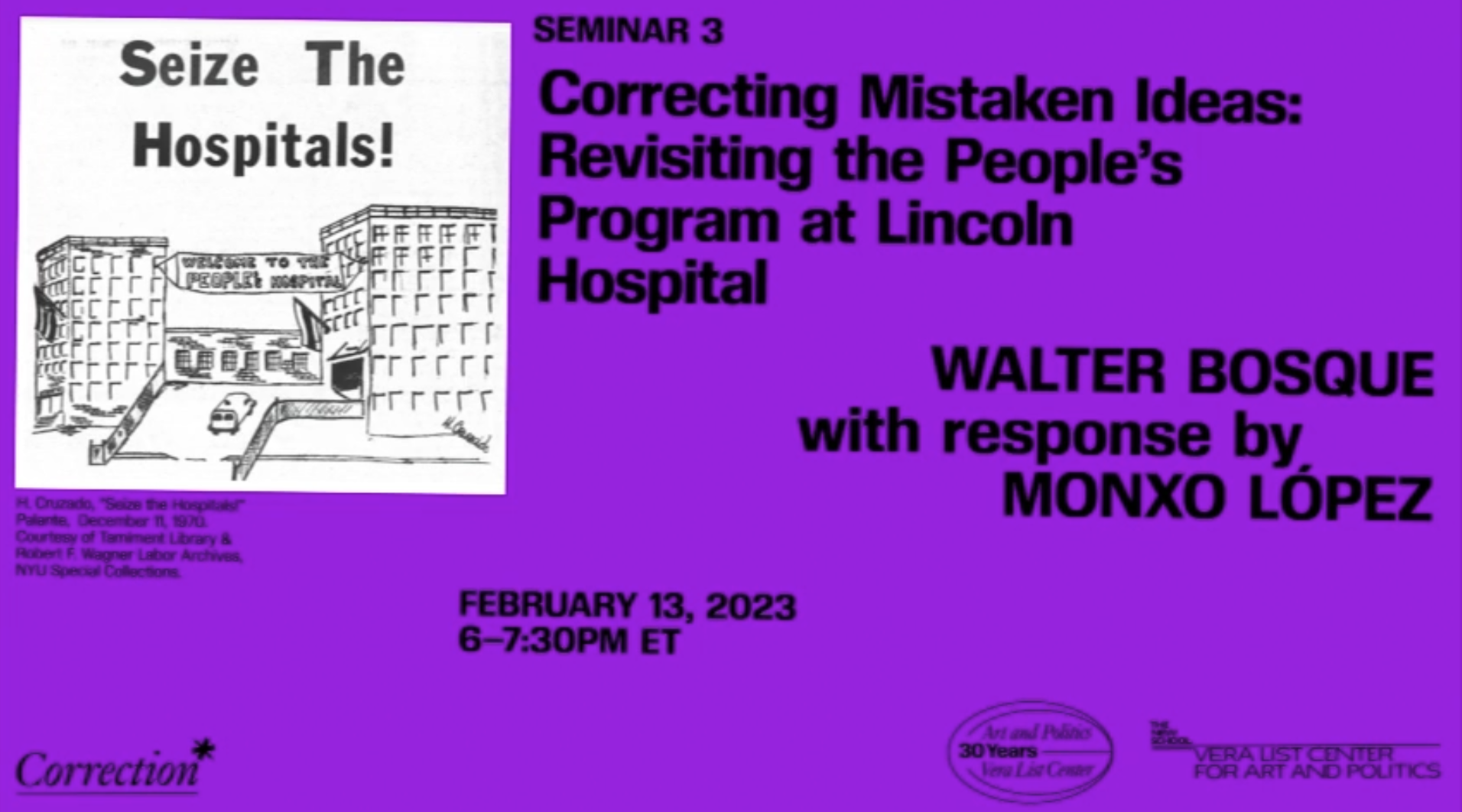
Correcting Mistaken Ideas: Revisiting the People’s Program at Lincoln Hospital with Walter Bosque
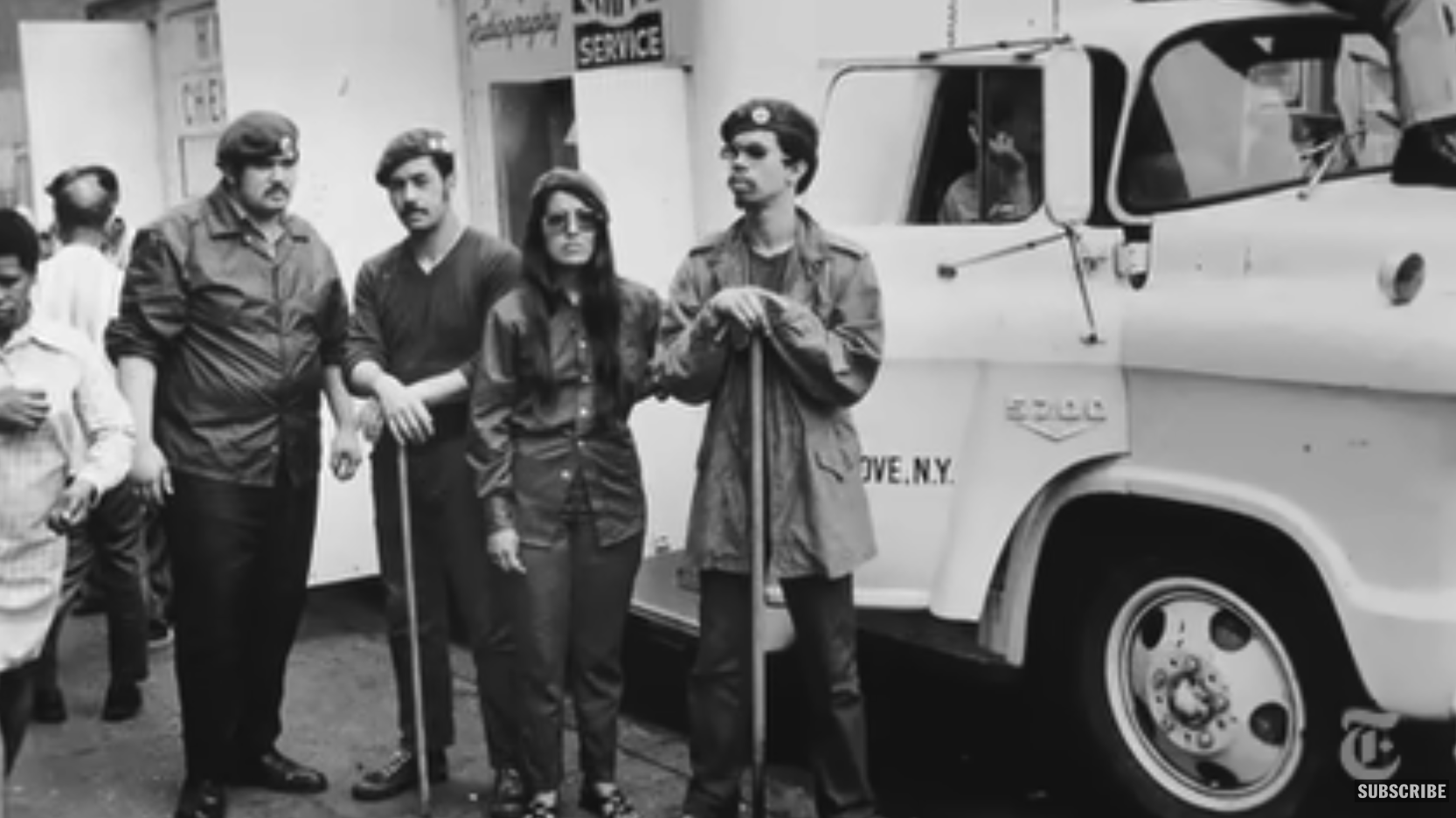
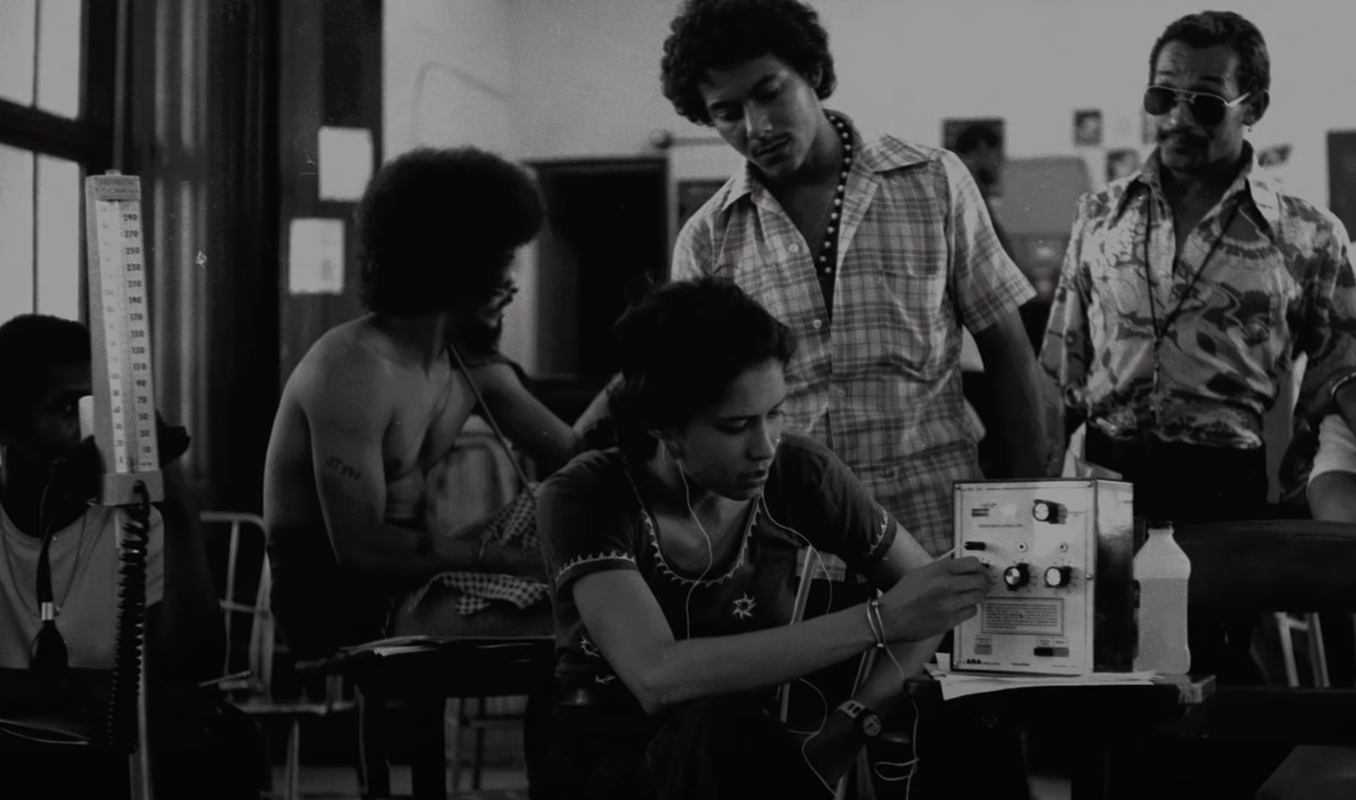
In November of 1970, the People’s Program was founded by members from the Young Lords along with members of the Black Panther Party and the Health Revolutionary Unity Movement. Through direct action, the activists collectively organized and occupied Lincoln Hospital in the South Bronx, demanding the city officials and hospital administrators improve health services amidst a heroin epidemic and a moment when the city’s public health infrastructures were failing and neglecting poor, Black, and Latinx communities. After taking over the hospital, they created the People’s Program (also known as Lincoln Detox Program), an addiction treatment center to serve and care for the community that was housed within Lincoln Hospital and ran until 1978. The People’s Program was a collective effort in confronting and rectifying a dysfunctional public health system, while also serving as a pedagogical space for healthcare, political education, and grassroots organizing.
One of the activists involved in the People’s Program was Walter Bosque, a member of the Young Lords, health worker, and radical acupuncturist. Bosque, along with Mutulu Shakur, formed the Acupuncture Collective after researching drug detox treatments and studying Chinese acupuncture practices used in China to treat opiate addiction. Eventually, they developed their own radical acupuncture treatment called “The People’s Protocol,” a treatment that continues to be used in treating addiction today. Join us for Correction* Seminar 3, as Bosque reflects on public health interventions and shares the history of radical acupuncture, the People’s Program, and the potential for political education and building public health infrastructure through collective care practices. Bosque’s presentation will be accompanied by a response and conversation with Monxo López, curator, cartographer, South Bronx-based environmental activist, and co-founder of South Bronx Unite.
As part of this program, we will also be screening excerpts from Jenna Bliss’s 2018 documentary, The People’s Detox, which explores and preserves the history of this revolutionary drug clinic and its impact on contemporary notions of care and recovery.
Listen to the seminar
Takeover: How We Occupied a Hospital and Changed Public Health Care | Op-Docs
On July 14, 1970, members of the Young Lords occupied Lincoln Hospital in the South Bronx — known locally as “the Butcher Shop.” A group of activists, many of them in their late teens and early 20s, barricaded themselves inside the facility, demanding safer and more accessible health care for the community. Originally a Chicago-based street gang, the Young Lords turned to community activism, inspired by the Black Panthers and by student movements in Puerto Rico. A Young Lords chapter in New York soon formed, agitating for community control of institutions and land, as well as self-determination for Puerto Rico. Their tactics included direct action and occupations that highlighted institutional failures. Through archival footage, re-enactments and contemporary interviews, Emma Francis-Snyder's "Takeover" shines a light on the Young Lords’ resistance movement and their fight for human rights. The dramatic takeover of Lincoln Hospital led to one of the first Patient’s Bill of Rights, changing patients’ relationship with hospitals and doctors nationwide.